
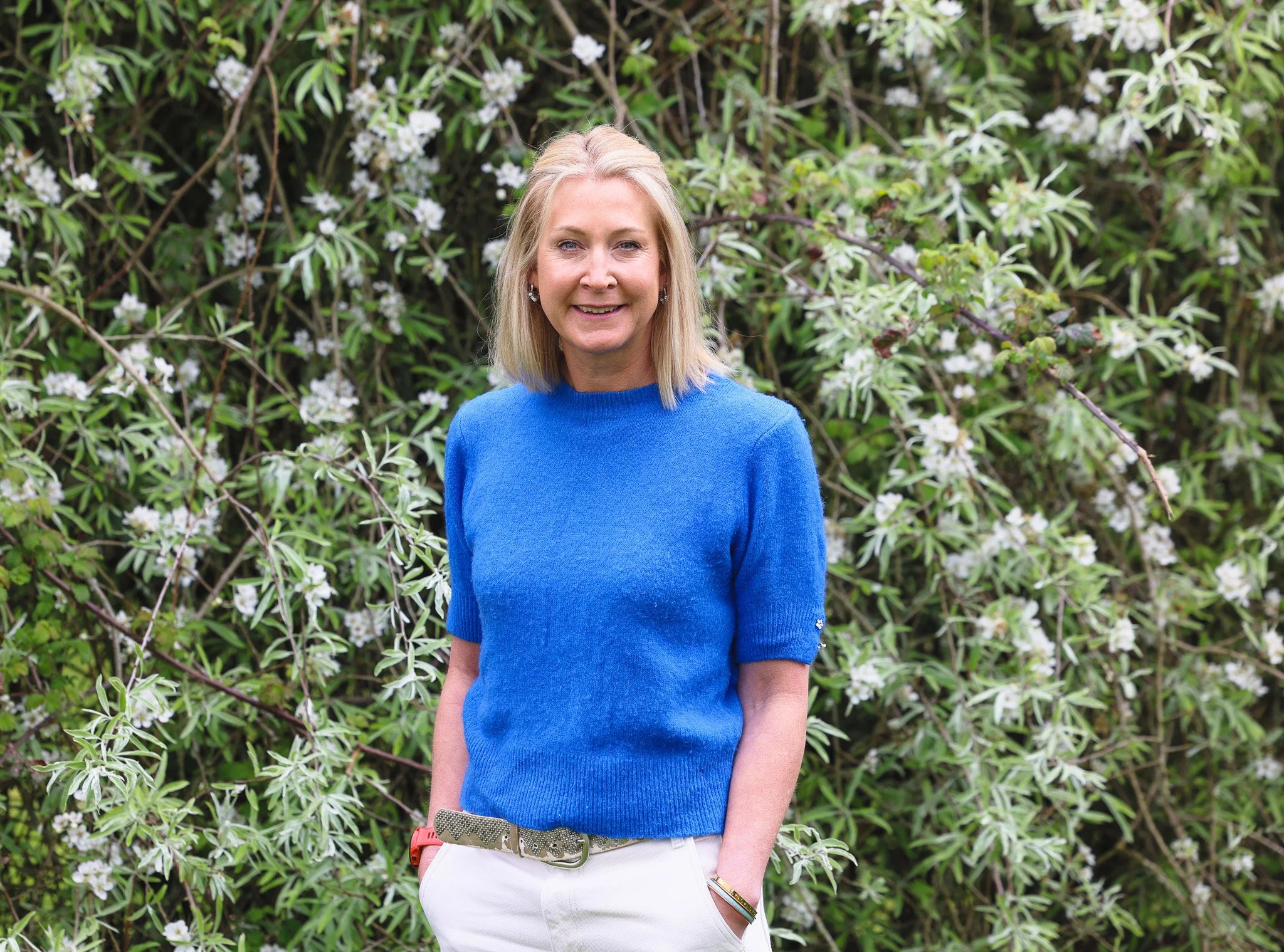
Kate Hudson Education Consultant
If you have ever tried to make sense of a school report, a tutor’s feedback and an educational psychologist’s recommendations all at once, you will know how difficult it can be.
Each professional may be excellent at what they do, but often nobody has the whole picture.
I see this frequently in my work with families. Parents are rarely short of advice. What they often need is someone who understands their child, brings everything together and helps them decide what really matters.
That is my role as a private education consultant and family education adviser.
What does a private education consultant do?
A private education consultant works alongside a family to understand a child’s strengths, needs and circumstances, then helps build the right educational support around them.
This goes well beyond arranging tutoring.
It may include:
School choice and transitions
Understanding assessments and reports
Specialist teaching and mentoring
Support for dyslexia and neurodiversity
Liaison with schools
Identifying the right specialists
Coordinating the different people supporting a child
Sometimes I work directly with the child. Sometimes I bring in other trusted professionals. Often, my most valuable role is simply making sure everything fits together.
The aim is to give families one trusted person who understands their child and can help them make informed educational decisions over time.

Understanding your child
Understanding the whole child
Before I recommend anything, I want to understand the child.
How do they learn? What are their strengths? What do they enjoy? Where are they losing confidence? What do they find difficult?
Grades and school reports only tell part of the story.
A bright child may be disengaging. Another may be working extremely hard simply to keep up. A previously happy child may suddenly become anxious about school.
My experience as a teacher, Deputy Head, Head of Learning Development and SENCO has taught me that understanding why something is happening is often more important than responding to the outcome alone.
Good educational decisions start with understanding the whole child.

Child Reflecting
Why might a family need an education adviser?
Education rarely happens in neat, separate stages.
School choice affects confidence. Learning needs influence subject choices. Assessments may lead to additional support. A difficult transition can affect motivation and wellbeing.
Yet these decisions are often considered separately.
Families may already have an excellent school, tutor or specialist, but still find themselves responsible for joining everything together.
For some families, an ongoing education adviser provides valuable continuity.
Someone knows the history, understands the child and remembers what has already been tried. When circumstances change, the family does not have to start again.

The Family Education Plan
The Family Education Plan
I think about support through a simple Family Education Plan.
Understand
Get to know the child, their strengths, learning needs, interests and confidence.
Consider
Look at the wider picture, including school, family priorities, existing support and any professional assessments.
Plan
Agree what needs attention now, what the longer-term priorities are and who genuinely needs to be involved.
Review
As the child develops, changes school or reaches a new stage, revisit the plan and adapt the support.
This is what makes the relationship broader than tutoring.
A tutor may focus on improving a particular subject. My role is also to ask:
Is this the right school?
Does this child actually need an assessment?
Is more tutoring the answer, or are we adding pressure?
What transition is coming next?
Who should be involved and, equally importantly, who does not need to be?

Understanding your child
Choosing the right school for a dyslexic or neurodivergent child
Parents often ask me which schools are best for children with dyslexia, ADHD, autism or other learning differences.
There is rarely one universally “best” school.
The question is: which school is right for this child?
I look beyond the prospectus.
How experienced is the learning support team? How well do classroom teachers understand neurodiversity? How does the school communicate with parents? What support is available as academic demands increase?
Most importantly, is this an environment in which the child is likely to feel understood and confident?
My background helps me know what questions to ask and what to look for.
I hold a BA (Hons) in Education and an OCR Level 7 specialist qualification in assessing and teaching learners with specific learning difficulties. I am also a member of NASEN and a professional member of Patoss.
My specialist experience includes dyslexia, dyspraxia, dyscalculia, ADHD and autism, but this service is not only for children with a diagnosis.
It is for any family who wants a thoughtful, individual approach to their child’s education.

Kate Hudson Advisor
What do families gain?
For the child, the greatest benefit is being properly understood.
Support is built around their individual strengths and needs rather than a standard programme.
For parents, it provides clarity and continuity.
You have somebody who understands the wider picture, can help you think through decisions and can coordinate schools, tutors and specialists where needed.
That can remove a significant burden, particularly when family life is already busy.
Supporting Family Office and internationally mobile families
For families moving between countries or education systems, continuity can be especially valuable.
Schools, curricula and admissions processes vary, but the child still benefits from having one person who knows their history and understands their needs.
I also welcome introductions from family offices, private client advisers, wealth advisers, family managers and other professionals supporting families.
The relationship always remains centred on the child and their family, with discretion and confidentiality at its heart.
Do I need a private education consultant?
Not every family does.
Sometimes a conversation with school or support from a good tutor is all that is required.
An education adviser becomes particularly valuable when:
Several people are supporting your child but nobody sees the complete picture
You have received an assessment and are unsure what to do next
You are considering a change of school
Your child is struggling despite being academically capable
You are concerned about dyslexia, ADHD, autism or another learning difference
An important transition or exam stage is approaching
Your family is moving between education systems
You want ongoing, independent educational guidance

Kate Hudson Education
Working with me
My starting point is always the same: understand the child first.
From there, we can work out what they genuinely need and put the right support around them.
For some families, that means help with one particular decision. For others, it becomes a longer-term relationship involving teaching, mentoring, school advice and coordination.
My aim is simple: to give parents greater clarity and confidence while helping their child feel understood and supported.
If you would like to talk through your child’s education, a particular concern or an important decision you are facing, you are very welcome to contact me for an initial confidential conversation.